Your body makes a protein called Klotho (α‑Klotho) that acts both at cell surfaces and as a circulating hormone. It is mainly produced in the kidneys, as well as the brain and liver, our natural klotho production decreases with age.
Research links higher Klotho levels with healthier aging, longer lifespan, higher IQ, preserved cognition, and lower risk of multiple age‑related diseases. This site summarizes how Klotho works, the evidence for its benefits, natural ways to support it, and emerging therapeutic approaches.
We have known about klotho since its discovery in 1997 by Japanese scientist Makoto Kuro-O who named it after "Clotho" - the Greek fate who spins the thread of life. He discovered klotho by accidentally deleting the protein from a mouse who lived a very short life and found that this protein is essential for life and healthy aging.
After nearly 30 years of research on klotho and over 3,000 published papers, we now know how to boost klotho levels for improved cognition and health.
Higher klotho levels are linked to improved cognitive function, synaptic resilience, and protection against age-related neurodegeneration and ApoE4-related vulnerability.
Elevated klotho levels are associated with better cardiovascular function, reduced arterial stiffness, lower risk of heart disease, and lower vascular inflammation and oxidative stress.
Higher klotho is linked to increased lifespan, resilience to age-related decline across multiple tissues, reduction of oxidative damage, improvement of metabolic regulation and cellular homeostatis.
Elevated klotho levels support muscle function, physical resilience, promotes muscle regeneration, mitochondrial health, and reduced inflammatory signaling in muscle tissue.
Klotho can be increased through exercise and diet.
Exercise:
Diet & Nutrition:

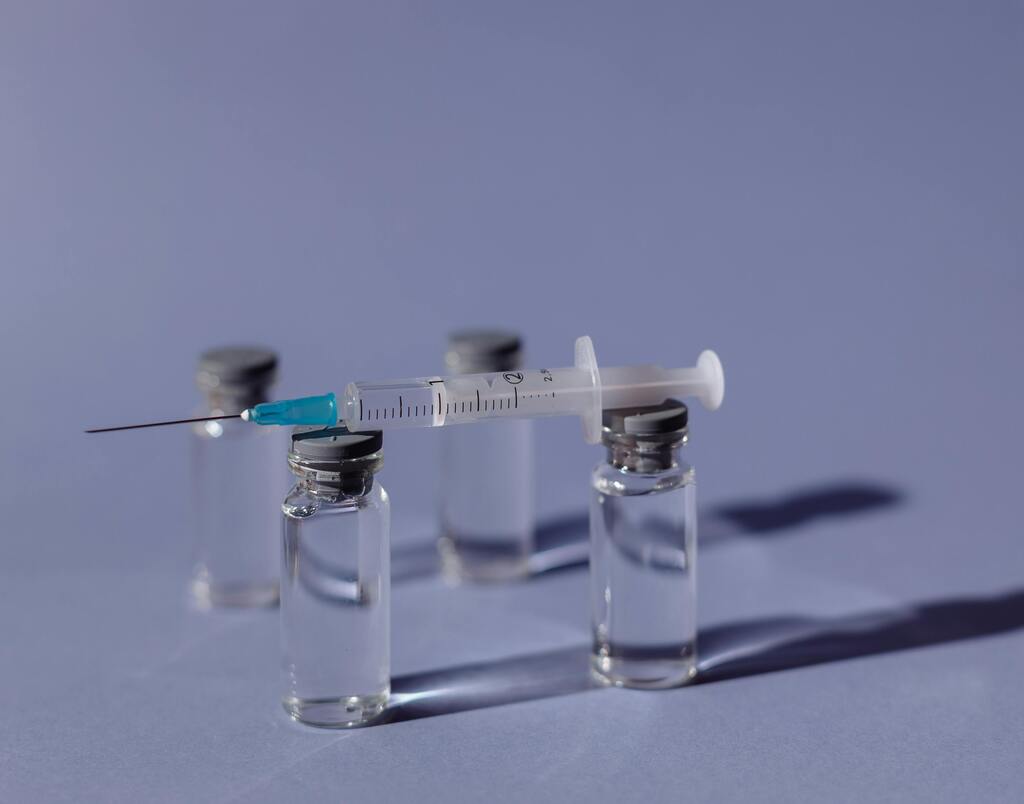
A variety of klotho protein "peptides" are readily available. The protein itself is very unstable with a short half life of approximately 6 hours so injections are generally daily to keep klotho levels up.
There is a USA brand launched December 2025 which claims their "albumin binding klotho" lasts for 17 days and may be injected every 2 weeks. There is some concern that this type may eventually lead to one's body rejecting their own natural klotho, and this specific type has not been shown to be effective for cognition or longevity as no data is available yet. We look forward to seeing some research on this product.
Costs depending on the type are approximately US$600-$1,100/month or $7,200-$13,200/year

Klotho gene therapy via AAV (Adeno-associated virus) has been available for several years in South America. One intramuscular injection is purported to last for 3-5 years and costs between US$120,000 to $250,000.
The concern with AAV is that one may produce an immune response to the viral vector (high dose prednisone is recommended for 1 month to dampen the immune system). A strong antibody response may prohibit the use of a therapy using AAV in the future, making it a one-time treatment. There may be an integration risk with some AAVs.
A 5 person study using an AAV intranasal delivery model using a combination of klotho and h-tert in 2021 can be found in the Science page.

mRNA delivered in lipid nanoparticle (LNP) formulations provides cells with transient instructions to produce Klotho protein without altering genomic DNA. The approach uses synthetic KL‑encoding mRNA encapsulated in LNPs for systemic or local delivery, producing protein expression for days to weeks per dose and enabling repeat dosing as needed.
Klotho gene therapy via MRNA technology lasts weeks to a few months. It is recommended to "top up" every 6 months.

Klotho plasmid delivery could be referred to as a klotho production booster. It uses pure DNA, is non integrative (not Crispr) and does not alter genes.
Lipid Nanoparticle
Klotho plasmid therapy using a lipid nanoparticle such as PEI (Polyethylenimine) to shuttle the DNA into the nucleus either intramuscularly or intranasally. This method has very low toxicity and may be repeated. It has been available for 4 years in South East Asia.
This method is non-integrative - the DNA sits separately from the genome. No serious adverse effects have ever been reported with the use of klotho plasmids.
The intramuscular injection lasts 12+ months, the intranasal up to 1 year. The primary difference is the intranasal affects the brain, whereas intramuscular affects brain and body. Low dose methylprednisone may be used for 5-7 days.
The price for intranasal is US$7,000, intramuscular US$19,000-$30,000 depending on the clinic location.
Electroporation
Klotho plasmid therapy using electroporation is non-integrative and uses micro-pulses to open pores for pure DNA delivery. This is the most straight forward delivery method without the use of methylprednisone or anything other than the DNA in a sterile water solution. Lasts 18-24 months.
Approximate cost US$18,000-$30,000 depending on location.
Book a chat to discuss options in your region.


Schedule a complimentary chat to find out where klotho is available closest to you.